Auto Collection & Quick Reaction
Refining auto-generated playlists and quick reactions to boost engagement
Due to confidentiality agreements and non-disclosure agreements (NDAs) with SoundCloud, I am unable to share all of my projects in detail. The case studies and insights available here highlight key aspects of my approach and methodology.
They represent a portion of my comprehensive experience in user research. If you have any questions or would like to learn more about my professional journey, please feel free to reach out.
[Overview]
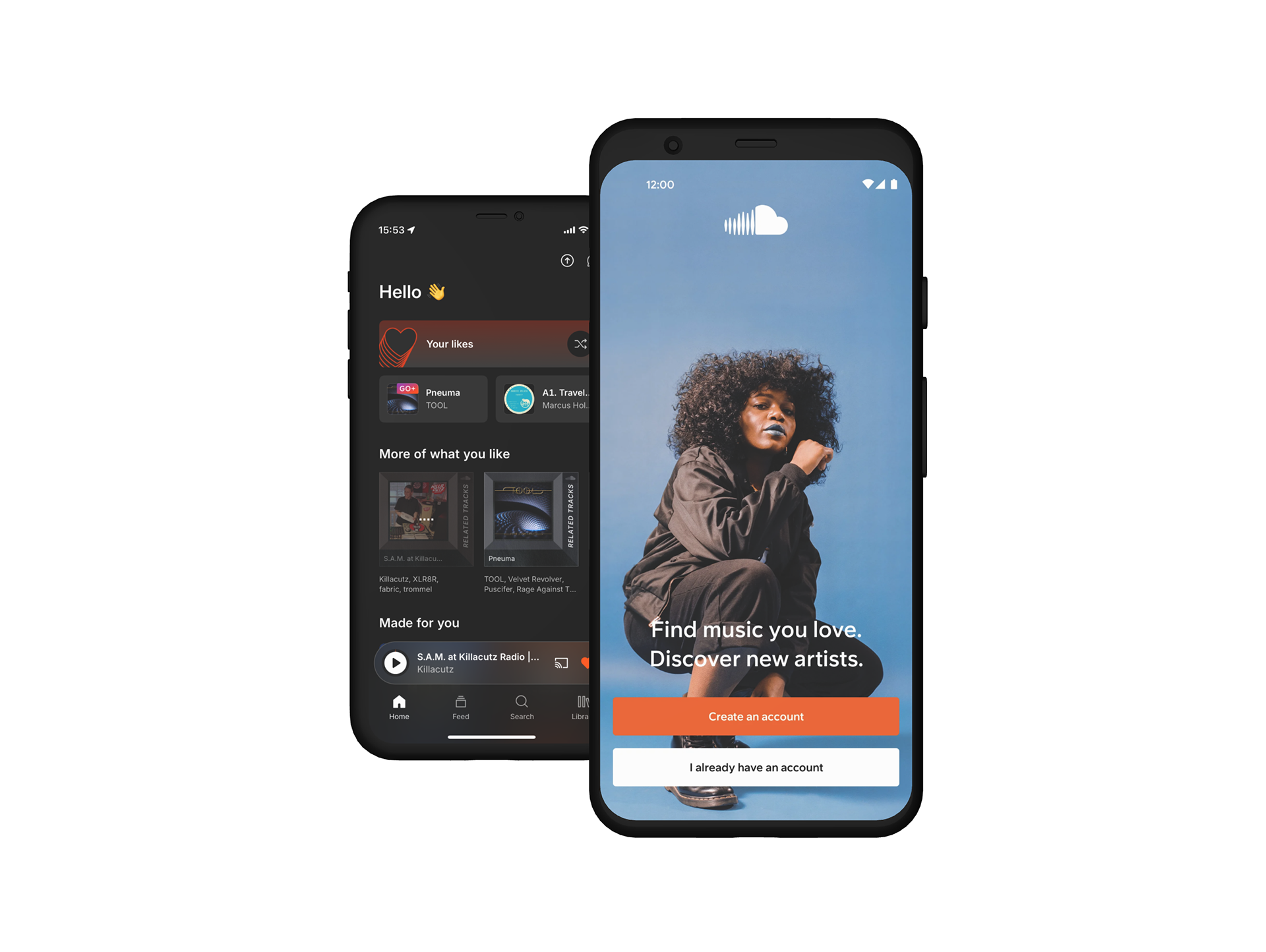
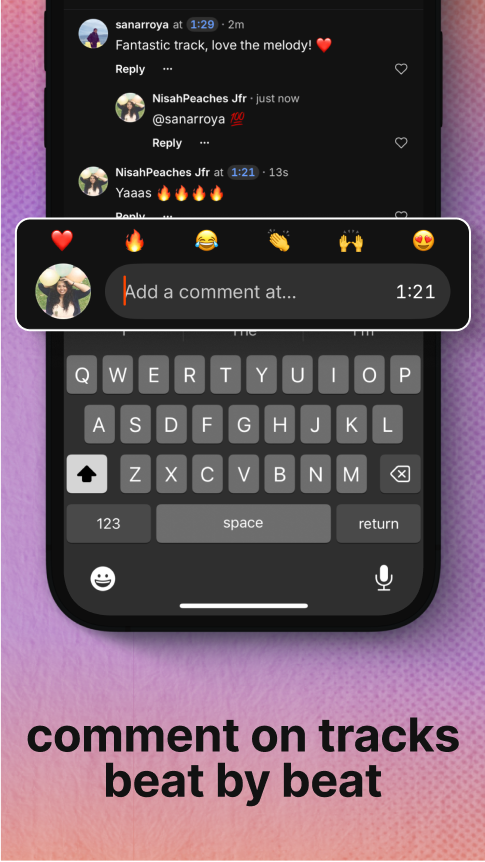
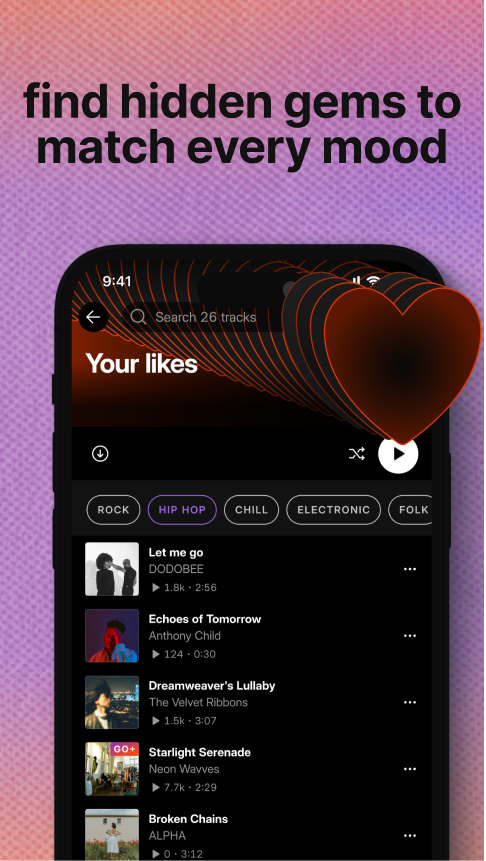
The product team introduced two engagement-focused features for the iOS and Android apps: Auto Collection (automatically generated playlists based on user behavior) and Quick Reactions (lightweight ways for users to interact with content). The goal was to evaluate user satisfaction, perceived accuracy, and overall usability of both features.
[Objectives]
- Assess awareness and usage of Auto Collection
- Evaluate perceived accuracy of track grouping
- Measure satisfaction and engagement levels
- Understand usability and intrusiveness of Quick Reactions
- Identify areas for refinement
[Impact]
- Improved feature discoverability
- Refined playlist grouping logic
- Adjusted Quick Reactions UI to balance engagement with non-intrusiveness
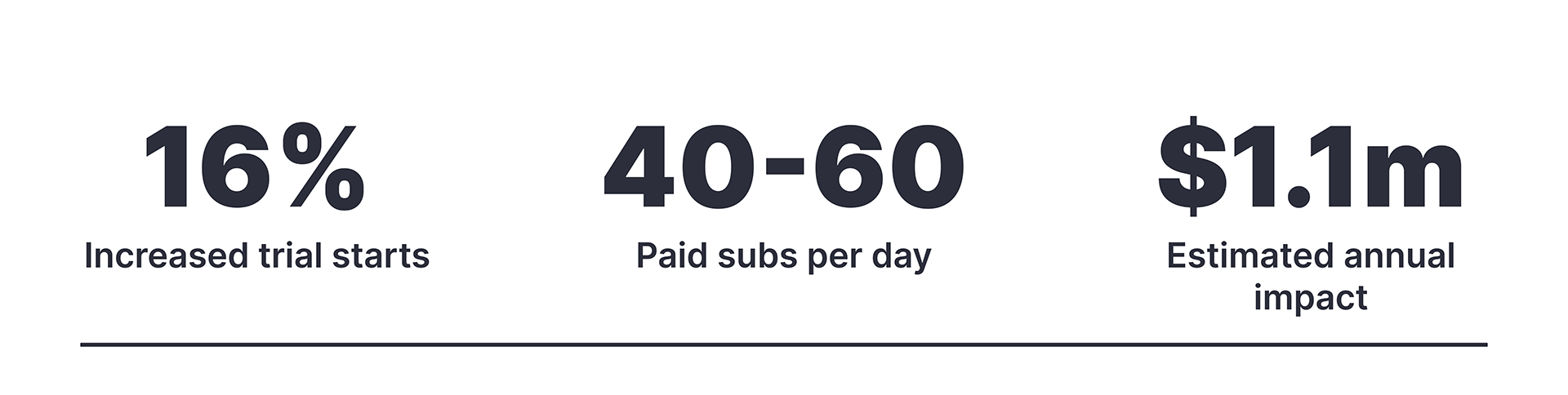
- Increased user satisfaction and engagement metrics
Auto Collection & Quick Reaction
I was responsible for providing insights to refine these two engagement-focused features, evaluating user satisfaction, perceived accuracy of track grouping, and interface intuitiveness.
The research combined quantitative surveys and moderated interviews to assess feature awareness, usage frequency, and qualitative feedback from a diverse user base. Design concepts were tested to ensure the features met user needs effectively.
Two-phase research approach
To understand user perceptions and experiences with the auto-generated playlists feature, a two-phase research approach was employed.
Phase 1 – Quantitative Survey: A brief external survey (~2 minutes) distributed to around 12,000 eligible Android users who had interacted with the feature within the last 30 days, achieving 237 responses. The survey assessed feature awareness, satisfaction, usage frequency, perceived accuracy, and gathered open-ended feedback.
Phase 2 – Moderated Interviews: Remote, 60-minute semi-structured sessions with participants recruited from survey respondents. Activities included feature recollection, concept evaluation, and prototype testing.
Analysis: Interview synthesis via Reduct, affinity mapping to identify themes, and insight clustering into actionable recommendations.
Key insights & impact
Users appreciated the automation behind Auto Collection but questioned playlist accuracy. The feature also lacked visibility within the interface, limiting discoverability. Quick Reactions were engaging when subtle, but disruptive when overly prominent.
These findings led to improved feature discoverability, refined playlist grouping logic, and an adjusted Quick Reactions UI that balanced engagement with non-intrusiveness — resulting in increased user satisfaction and engagement metrics.